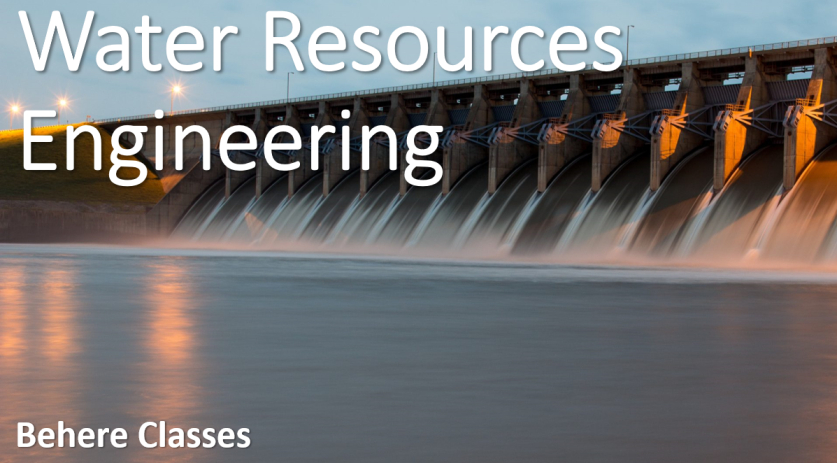
Water Resources Engineering
Water resources engineering focuses on the sustainable management and development of water systems for drinking, irrigation, flood control, and wastewater treatment. Engineers design infrastructure like dams, canals, and treatment plants, addressing challenges such as water scarcity, climate change, and pollution to ensure water availability and quality for future generations.
Duration & Course Level:
1. Water Resources Engineer: Bachelor's (4 years), Master's preferred (1-2 years)
2. Hydrologist: Bachelor's (4 years), Master's preferred (1-2 years)
3. Environmental Engineer: Bachelor's (4 years), Master's (1-2 years)
4. Civil Engineer (Water Resources): Bachelor's (4 years), Master's preferred (1-2 years)
5. Water Quality Specialist: Bachelor's (4 years), Master's preferred (1-2 years)
6. Flood Risk Manager: Bachelor's (4 years), Master's preferred (1-2 years)
7. Irrigation Engineer: Bachelor's (4 years), Master's preferred (1-2 years)
8. Water Treatment Plant Manager: Bachelor's (4 years), Master's preferred (1-2 years)
9. Hydraulic Engineer: Bachelor's (4 years), Master's preferred (1-2 years)
10. Watershed Manager: Bachelor's (4 years), Master's preferred (1-2 years)
11. Water Resources Planner: Bachelor's (4 years), Master's preferred (1-2 years)
12. Stormwater Engineer: Bachelor's (4 years), Master's preferred (1-2 years)
13. Groundwater Engineer: Bachelor's (4 years), Master's preferred (1-2 years)
14. Water Policy Analyst: Bachelor's (4 years), Master's preferred (1-2 years)
15. Coastal Engineer: Bachelor's (4 years), Master's preferred (1-2 years)
16. Hydrogeologist: Bachelor's (4 years), Master's preferred (1-2 years)
17. Water Conservation Specialist: Bachelor's (4 years), Master's preferred (1-2 years)
18. Dams and Reservoirs Engineer: Bachelor's (4 years), Master's preferred (1-2 years)
19. Aquatic Ecologist: Bachelor's (4 years), Master's preferred (1-2 years)
20. Water Infrastructure Engineer: Bachelor's (4 years), Master's preferred (1-2 years)
Salary Package:
1. Water Resources Engineer: $65, 000 - $110, 000
2. Hydrologist: $60, 000 - $100, 000
3. Environmental Engineer: $65, 000 - $115, 000
4. Civil Engineer (Water Resources): $65, 000 - $105, 000
5. Water Quality Specialist: $50, 000 - $90, 000
6. Flood Risk Manager: $70, 000 - $120, 000
7. Irrigation Engineer: $60, 000 - $100, 000
8. Water Treatment Plant Manager: $70, 000 - $110, 000
9. Hydraulic Engineer: $70, 000 - $115, 000
10. Watershed Manager: $60, 000 - $100, 000
11. Water Resources Planner: $55, 000 - $95, 000
12. Stormwater Engineer: $65, 000 - $105, 000
13. Groundwater Engineer: $60, 000 - $100, 000
14. Water Policy Analyst: $55, 000 - $95, 000
15. Coastal Engineer: $70, 000 - $115, 000
16. Hydrogeologist: $60, 000 - $100, 000
17. Water Conservation Specialist: $55, 000 - $90, 000
18. Dams and Reservoirs Engineer: $70, 000 - $115, 000
19. Aquatic Ecologist: $55, 000 - $95, 000
20. Water Infrastructure Engineer: $65, 000 - $110, 000
These figures can vary based on factors such as experience, location, and the specific employer.
Job Roles:
1. Water Resources Engineer
2. Hydrologist
3. Environmental Engineer
4. Civil Engineer (Water Resources)
5. Water Quality Specialist
6. Flood Risk Manager
7. Irrigation Engineer
8. Water Treatment Plant Manager
9. Hydraulic Engineer
10. Watershed Manager
11. Water Resources Planner
12. Stormwater Engineer
13. Groundwater Engineer
14. Water Policy Analyst
15. Coastal Engineer
16. Hydrogeologist
17. Water Conservation Specialist
18. Dams and Reservoirs Engineer
19. Aquatic Ecologist
20. Water Infrastructure Engineer
Innovation & Creativity:
Innovation and creativity in water resources engineering are vital for solving global water challenges. Engineers develop sustainable water management techniques, such as smart irrigation systems and advanced flood control measures. They use technologies like remote sensing and GIS for precise planning and management. Creative solutions in wastewater treatment and recycling help conserve water and reduce pollution. These efforts ensure the efficient and sustainable use of our most precious resource.
Industrial Overview:
Water resources engineering focuses on managing and utilizing water for agriculture, industry, and urban development. It involves designing and maintaining infrastructure like dams, canals, and water treatment plants. Engineers ensure reliable water supply, address water quality issues, and develop sustainable solutions for water scarcity and flooding. This field supports economic growth, public health, and environmental protection, adapting to challenges like climate change and population growth.
Behere Classes Best 11th 12th Science Commerce Coaching in Pune NEET JEE CET PCMB, CA Foundation
Behere Classes of Science & Commerce for 11th, 12th, PCMB, , CET, NEET, JEE, CAF