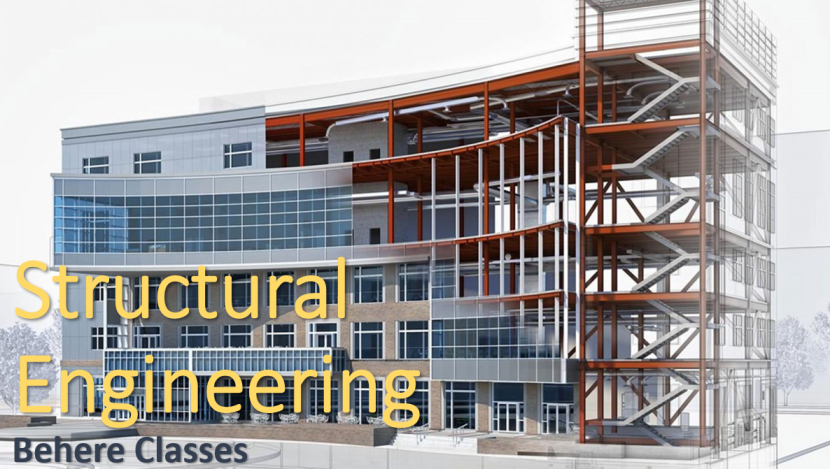
Structural Engineering
Structural engineering, a key branch of civil engineering, involves designing and maintaining structures like buildings and bridges to ensure safety and stability. By applying principles of physics and material science, structural engineers create frameworks that withstand various loads and stresses. They collaborate with architects and contractors to develop innovative and functional designs. As infrastructure evolves, structural engineering continues to play a crucial role in enhancing public safety and shaping the built environment.
Duration & Course Level:
1. Structural Engineer: Bachelor's (4 years), often a Master's (1-2 years)
2. Structural Designer: Bachelor's (4 years), sometimes a Master's (1-2 years)
3. Bridge Engineer: Bachelor's (4 years), often a Master's (1-2 years)
4. Building Inspector: Associate's (2 years) or Bachelor's (4 years), certifications may be required
5. Project Engineer: Bachelor's (4 years), often a Master's (1-2 years)
6. Structural Analyst: Bachelor's (4 years), often a Master's (1-2 years)
7. Construction Engineer: Bachelor's (4 years)
8. Geotechnical Engineer: Bachelor's (4 years), often a Master's (1-2 years)
9. Civil Structural Engineer: Bachelor's (4 years), sometimes a Master's (1-2 years)
10. Seismic Engineer: Bachelor's (4 years), often a Master's (1-2 years)
11. Offshore Structural Engineer: Bachelor's (4 years), often a Master's (1-2 years)
12. Structural Consultant: Bachelor's (4 years), often a Master's (1-2 years) and significant experience
13. Structural Drafter: Associate's (2 years) or technical training, certifications may be required
14. Forensic Structural Engineer: Bachelor's (4 years), often a Master's (1-2 years)
15. Structural Project Manager: Bachelor's (4 years), often a Master's (1-2 years) and significant experience
16. Structural Design Engineer: Bachelor's (4 years), sometimes a Master's (1-2 years)
17. Structural Engineering Technician: Associate's (2 years) or technical training
18. Structural Detailer: Associate's (2 years) or technical training, certifications may be required
Salary Package:
1. Structural Engineer: $70, 000 - $110, 000
2. Structural Designer: $60, 000 - $90, 000
3. Bridge Engineer: $75, 000 - $115, 000
4. Building Inspector: $55, 000 - $85, 000
5. Project Engineer: $65, 000 - $105, 000
6. Structural Analyst: $70, 000 - $110, 000
7. Construction Engineer: $65, 000 - $100, 000
8. Geotechnical Engineer: $65, 000 - $100, 000
9. Civil Structural Engineer: $70, 000 - $110, 000
10. Seismic Engineer: $75, 000 - $115, 000
11. Offshore Structural Engineer: $80, 000 - $120, 000
12. Structural Consultant: $85, 000 - $130, 000
13. Structural Drafter: $50, 000 - $75, 000
14. Forensic Structural Engineer: $75, 000 - $120, 000
15. Structural Project Manager: $80, 000 - $125, 000
16. Structural Design Engineer: $65, 000 - $100, 000
17. Structural Engineering Technician: $45, 000 - $70, 000
18. Structural Detailer: $50, 000 - $75, 000
These ranges provide a general idea of what professionals in these roles might expect to earn. However, for the most accurate and up-to-date information, it's best to refer to current job listings and salary surveys in specific regions.
Job Roles:
1. Structural Engineer
2. Structural Designer
3. Bridge Engineer
4. Building Inspector
5. Project Engineer
6. Structural Analyst
7. Construction Engineer
8. Geotechnical Engineer
9. Civil Structural Engineer
10. Seismic Engineer
11. Offshore Structural Engineer
12. Structural Consultant
13. Structural Drafter
14. Forensic Structural Engineer
15. Structural Project Manager
16. Structural Design Engineer
17. Structural Engineering Technician
18. Structural Detailer
Innovation & Creativity:
Innovation and creativity in structural engineering lead to safer, more efficient, and visually appealing structures. Using advanced materials and technologies like BIM and CAD, engineers enhance durability and precision. Integrating robotics and AI in construction enables complex designs, addressing modern challenges and setting new standards for the built environment.
Industrial Overview:
Structural engineering, a key branch of civil engineering, focuses on designing and maintaining structures like buildings, bridges, and tunnels to ensure safety and stability. Engineers work with architects and contractors, using advanced materials and technologies such as Building Information Modeling (BIM). As infrastructure demands grow, the field evolves with sustainable practices and innovative solutions, playing a vital role in shaping safe and efficient built environments worldwide.
Industry/Field Future:
The future of structural engineering will be shaped by emerging technologies and sustainable practices. Innovations like smart materials, 3D printing, and Building Information Modeling (BIM) will enhance design and construction.
Behere Classes Best 11th 12th Science Commerce Coaching in Pune NEET JEE CET PCMB
Behere Classes of Science & Commerce for 11th, 12th, PCMB, , CET, NEET, JEE, CAF