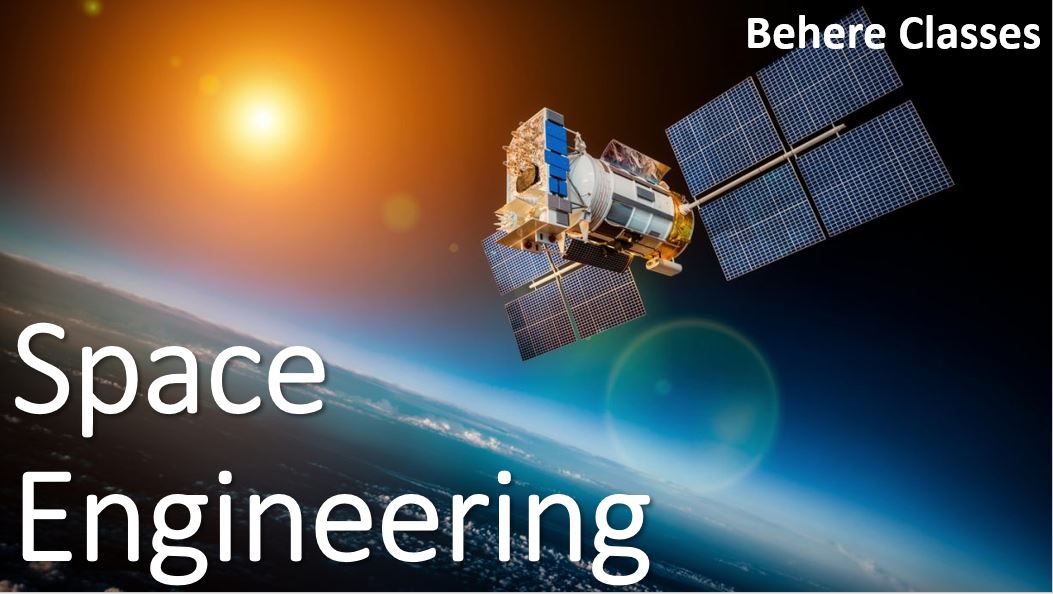
Space Engineering
Space engineering designs and operates vehicles and infrastructure for space exploration, integrating aerospace and mechanical engineering principles. Engineers develop spacecraft, satellites, launch systems, and technologies for exploration and colonization. This field drives scientific research and fosters innovation in telecommunications and Earth observation.
Duration & Course Level:
• Bachelor's Degree:- Duration: Typically takes 4 years to complete.
• Master's Degree:- Duration: Usually takes an additional 1-2 years beyond the bachelor's degree.
• Doctoral Degree (Ph.D.):- Duration: Can take an additional 3-5 years beyond the master's degree for research and specialization.
Salary Package:
1. Aerospace Engineer: $70, 000 - $120, 000 per year
2. Satellite Engineer: $80, 000 - $140, 000 per year
3. Spacecraft Systems Engineer: $75, 000 - $130, 000 per year
4. Mission Operations Engineer: $80, 000 - $140, 000 per year
5. Spacecraft Propulsion Engineer: $85, 000 - $150, 000 per year
6. Spacecraft Structures Engineer: $75, 000 - $130, 000 per year
7. Avionics Engineer: $80, 000 - $140, 000 per year
8. Payload Engineer: $80, 000 - $140, 000 per year
9. Ground Systems Engineer: $75, 000 - $130, 000 per year
10. Orbital Mechanics Engineer: $85, 000 - $150, 000 per year
11. Space Policy Analyst: $70, 000 - $120, 000 per year
12. Space Law Specialist: $90, 000 - $160, 000 per year
13. Space Mission Architect: $80, 000 - $140, 000 per year
14. Space Tourism Consultant: $70, 000 - $120, 000 per year
15. Space Habitat Designer: $75, 000 - $130, 000 per year
These salary ranges are approximate and may vary based on factors such as location, level of education, industry demand, and additional certifications or specialized skills.
Job Roles:
1. Aerospace Engineer
2. Satellite Engineer
3. Spacecraft Systems Engineer
4. Mission Operations Engineer
5. Spacecraft Propulsion Engineer
6. Spacecraft Structures Engineer
7. Avionics Engineer
8. Payload Engineer
9. Ground Systems Engineer
10. Orbital Mechanics Engineer
11. Space Policy Analyst
12. Space Law Specialist
13. Space Mission Architect
14. Space Tourism Consultant
15. Space Habitat Designer
Education & Training Requirements:
1. Aerospace Engineer: Bachelor's degree in aerospace engineering.
2. Satellite Engineer: Bachelor's degree in aerospace or electrical engineering.
3. Spacecraft Systems Engineer: Bachelor's degree in aerospace or mechanical engineering.
4. Mission Operations Engineer: Bachelor's degree in aerospace or systems engineering.
5. Spacecraft Propulsion Engineer: Bachelor's degree in aerospace or mechanical engineering.
6. Spacecraft Structures Engineer: Bachelor's degree in aerospace or mechanical engineering.
7. Avionics Engineer: Bachelor's degree in aerospace or electrical engineering.
8. Payload Engineer: Bachelor's degree in aerospace or mechanical engineering.
9. Ground Systems Engineer: Bachelor's degree in aerospace or electrical engineering.
10. Orbital Mechanics Engineer: Bachelor's degree in aerospace or mechanical engineering.
11. Space Policy Analyst: Bachelor's degree in political science or international relations.
12. Space Law Specialist: Bachelor's degree in law with specialization in space law.
13. Space Mission Architect: Bachelor's degree in aerospace or systems engineering.
14. Space Tourism Consultant: Bachelor's degree in hospitality management or tourism.
15. Space Habitat Designer: Bachelor's degree in architecture or engineering with focus on habitat design.
Innovation & Creativity:
In space engineering, innovation and creativity push the boundaries of spacecraft design and mission planning. Engineers develop novel solutions for challenges like long missions and extreme environments, driving advancements in propulsion and exploration beyond Earth.
Industrial Overview:
Space engineering encompasses the design and operation of systems for space exploration, communication, and satellite technology. It involves collaboration between government agencies, aerospace companies, and research institutions to drive innovation for scientific research, commercial ventures, and national security.
Industry/Field Future:
The future of space engineering is bright, with growing opportunities in lunar exploration, Mars missions, and space tourism. Increased commercialization, private space companies, and satellite constellations are shaping the industry. Space engineering will play a crucial role in expanding humanity's presence beyond Earth.