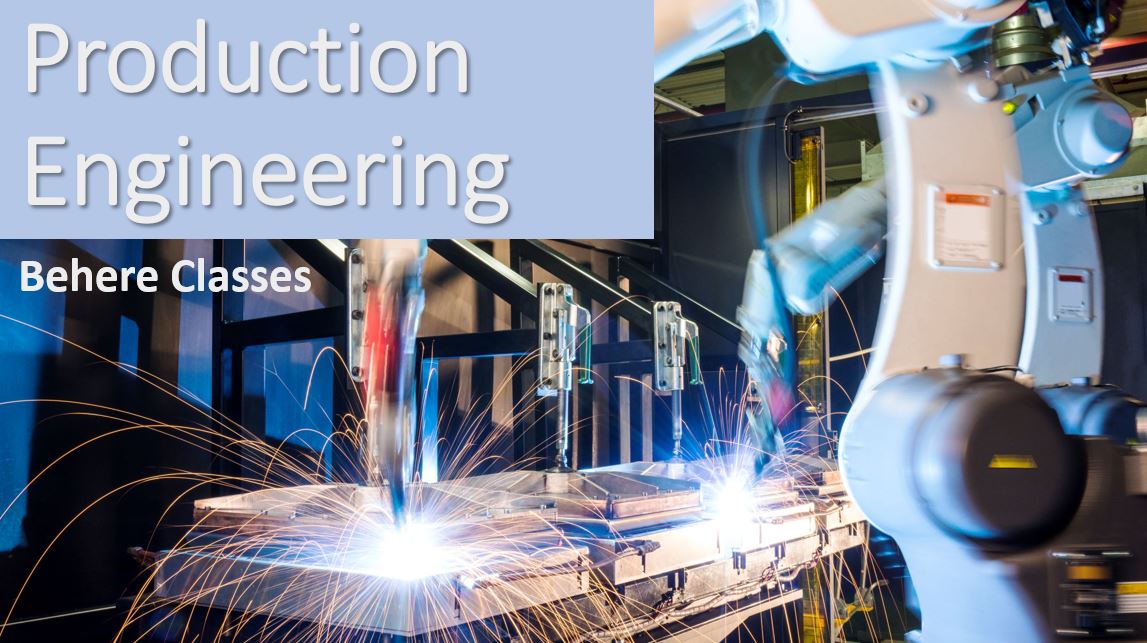
Production Engineering
Production engineering focuses on designing, managing, and optimizing manufacturing processes. It combines principles of mechanical engineering, industrial engineering, and management to enhance productivity, quality, and cost-efficiency. Production engineers use technologies like automation, robotics, and CAD to streamline operations in industries such as automotive, aerospace, electronics, and consumer goods, driving innovation and competitiveness.
Duration & Course Level:
• Bachelor's Degree: 4 years
• Master's Degree: 1-2 years
• Doctoral Degree: 3-5 years
Salary Package:
1. Production Engineer: $60, 000 - $90, 000 per year
2. Manufacturing Engineer: $65, 000 - $95, 000 per year
3. Process Engineer: $70, 000 - $100, 000 per year
4. Quality Control Engineer: $60, 000 - $85, 000 per year
5. Industrial Engineer: $65, 000 - $90, 000 per year
6. Operations Manager: $80, 000 - $120, 000 per year
7. Supply Chain Manager: $75, 000 - $110, 000 per year
8. Maintenance Engineer: $55, 000 - $80, 000 per year
9. Production Supervisor: $50, 000 - $75, 000 per year
10. Automation Engineer: $70, 000 - $105, 000 per year
11. Lean Manufacturing Engineer: $65, 000 - $95, 000 per year
12. Plant Manager: $90, 000 - $140, 000 per year
13. Production Planner: $55, 000 - $85, 000 per year
14. Continuous Improvement Engineer: $65, 000 - $95, 000 per year
15. CNC Programmer: $50, 000 - $75, 000 per year
These figures are approximate and can vary based on factors such as location, experience, and the specific industry.
Job Roles:
1. Production Engineer
2. Manufacturing Engineer
3. Process Engineer
4. Quality Control Engineer
5. Industrial Engineer
6. Operations Manager
7. Supply Chain Manager
8. Maintenance Engineer
9. Production Supervisor
10. Automation Engineer
11. Lean Manufacturing Engineer
12. Plant Manager
13. Production Planner
14. Continuous Improvement Engineer
15. CNC Programmer
Education & Training Requirements:
1. Production Engineer: Bachelor's in Production/Mechanical Engineering.
2. Manufacturing Engineer: Bachelor's in Manufacturing/Industrial Engineering.
3. Process Engineer: Bachelor's in Chemical/Mechanical/Industrial Engineering.
4. Quality Control Engineer: Bachelor's in Quality/Industrial/Mechanical Engineering.
5. Industrial Engineer: Bachelor's in Industrial Engineering.
6. Operations Manager: Bachelor's in Engineering/Business; often MBA.
7. Supply Chain Manager: Bachelor's in Supply Chain/Industrial Engineering/Business.
8. Maintenance Engineer: Bachelor's in Mechanical/Electrical Engineering.
9. Production Supervisor: Bachelor's in Production/Industrial Engineering.
10. Automation Engineer: Bachelor's in Electrical/Mechanical/Automation Engineering.
11. Lean Manufacturing Engineer: Bachelor's in Industrial/Mechanical Engineering; lean training.
12. Plant Manager: Bachelor's in Engineering/Business; often MBA.
13. Production Planner: Bachelor's in Industrial Engineering/Supply Chain/Business.
14. Continuous Improvement Engineer: Bachelor's in Industrial/Mechanical Engineering.
15. CNC Programmer: Associate's in CNC Programming or Bachelor's in Mechanical Engineering; CNC training.
Innovation & Creativity:
In production engineering, innovation fosters efficiency and quality through automation, robotics, and sustainable practices like lean manufacturing. Integrating IoT and AI enables real-time monitoring and optimization for smarter manufacturing systems, enhancing competitiveness and sustainability.
Industrial Overview:
Production engineering focuses on optimizing manufacturing processes to ensure efficient and high-quality production of goods. It integrates engineering principles with management techniques to enhance productivity and minimize waste. Production engineers play a vital role in various industries, striving to improve operational efficiency and meet market demands effectively.
Industry/Field Future:
The future of production engineering is bright, with automation and digitalization transforming manufacturing. Industry 4.0 technologies will enhance connectivity and efficiency, while sustainability and customization will drive innovation. Production engineers will play a crucial role in shaping the future of manufacturing.