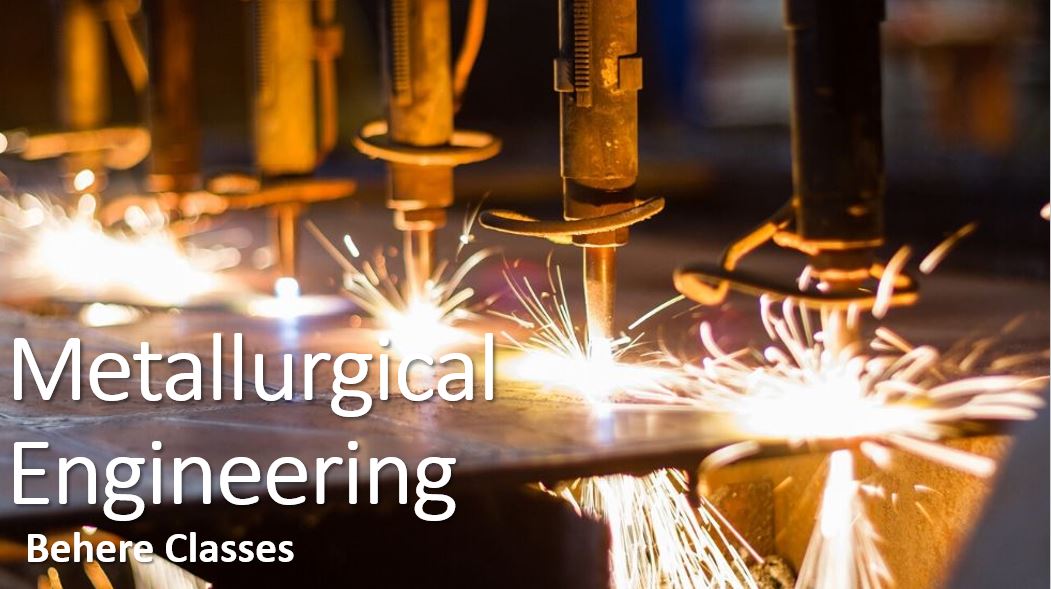
Metallurgical Engineering
Metallurgical engineering focuses on the study and manipulation of metals, including their extraction, processing, and refinement. Metallurgical engineers design and develop metals and alloys for various applications in industries like aerospace, automotive, and biomedical. They ensure the quality and reliability of metal products while promoting sustainable resource use and environmental protection.
Duration & Course Level:
Metallurgical Engineering: Duration & Course Level
• Bachelor's Degree: Typically takes 4 years to complete.
• Master's Degree: Usually takes an additional 1-2 years beyond the bachelor's degree.
• Doctoral Degree (Ph.D.): Can take an additional 3-5 years beyond the master's degree for research and specialization.
Salary Package:
1. Metallurgical Engineer: $60, 000 - $100, 000 per year
2. Materials Engineer: $65, 000 - $110, 000 per year
3. Process Metallurgist: $60, 000 - $100, 000 per year
4. Quality Control Engineer: $55, 000 - $95, 000 per year
5. Research and Development (R& D) Engineer: $65, 000 - $115, 000 per year
6. Failure Analysis Engineer: $70, 000 - $120, 000 per year
7. Welding Engineer: $60, 000 - $105, 000 per year
8. Corrosion Engineer: $65, 000 - $110, 000 per year
9. Heat Treatment Engineer: $55, 000 - $95, 000 per year
10. Production Engineer: $60, 000 - $100, 000 per year
11. Materials Testing Engineer: $55, 000 - $95, 000 per year
12. Non-Destructive Testing (NDT) Specialist: $60, 000 - $100, 000 per year
13. Surface Coating Engineer: $60, 000 - $105, 000 per year
14. Technical Sales Engineer: $65, 000 - $110, 000 per year
15. Mining Metallurgist: $65, 000 - $110, 000 per year
These salary ranges can vary based on factors such as geographic location, level of experience, and specific industry demand.
Job Roles:
1. Metallurgical Engineer
2. Materials Engineer
3. Process Metallurgist
4. Quality Control Engineer
5. Research and Development (R& D) Engineer
6. Failure Analysis Engineer
7. Welding Engineer
8. Corrosion Engineer
9. Heat Treatment Engineer
10. Production Engineer
11. Materials Testing Engineer
12. Non-Destructive Testing (NDT) Specialist
13. Surface Coating Engineer
14. Technical Sales Engineer
15. Mining Metallurgist
Education & Training Requirements:
1. Metallurgical Engineer: Bachelor's degree in metallurgical engineering or related field.
2. Materials Engineer: Bachelor's degree in materials engineering or related field.
3. Process Metallurgist: Bachelor's degree in metallurgical engineering with process focus.
4. Quality Control Engineer: Bachelor's degree in metallurgical or materials engineering, with quality control training.
5. R& D Engineer: Bachelor's degree in metallurgical or materials engineering, advanced degrees preferred.
6. Failure Analysis Engineer: Bachelor's degree in metallurgical or materials engineering, with failure analysis training.
7. Welding Engineer: Bachelor's degree in welding or metallurgical engineering.
8. Corrosion Engineer: Bachelor's degree in metallurgical or materials engineering, with corrosion science training.
9. Heat Treatment Engineer: Bachelor's degree in metallurgical or materials engineering, with heat treatment focus.
10. Production Engineer: Bachelor's degree in metallurgical or materials engineering, with production management focus.
11. Materials Testing Engineer: Bachelor's degree in metallurgical or materials engineering, with materials testing training.
12. NDT Specialist: Bachelor's degree in metallurgical or materials engineering, with NDT specialization.
13. Surface Coating Engineer: Bachelor's degree in metallurgical or materials engineering, with surface coating training.
14. Technical Sales Engineer: Bachelor's degree in metallurgical or materials engineering, strong communication skills.
15. Mining Metallurgist: Bachelor's degree in metallurgical or materials engineering, mineral processing focus.
Innovation & Creativity:
Metallurgical engineering thrives on innovation and creativity, pushing boundaries in materials science and manufacturing. New alloys, fabrication techniques, and eco-friendly practices are key focuses, shaping diverse industries with inventive solutions.
Industrial Overview:
Metallurgical engineering is pivotal for industries, ensuring quality metal production. It's essential for construction, transportation, and electronics, overseeing processes like casting and welding. Advancements focus on sustainability and material strength, driving innovation in global industries.
Industry/Field Future:
The future of metallurgical engineering entails innovative approaches to materials production, emphasizing sustainability and resource efficiency. Engineers will focus on eco-friendly methods for metal extraction and refining, leveraging nanotechnology and additive manufacturing for lightweight yet durable materials. Advanced alloys and composites will cater to emerging industries like renewable energy and aerospace.