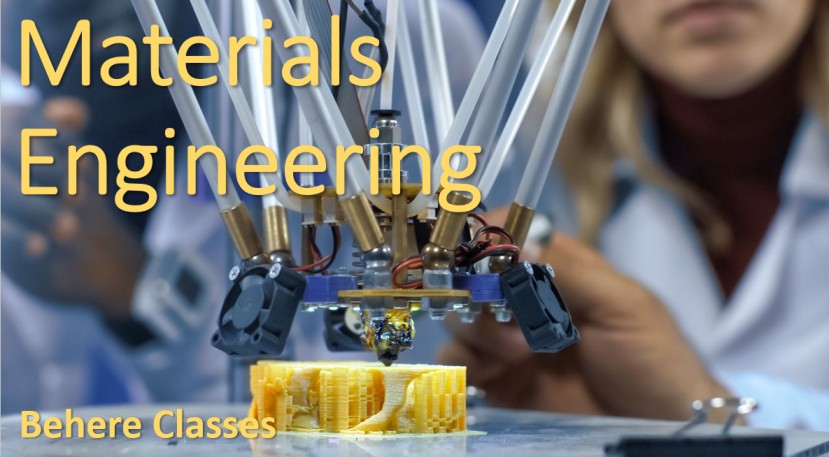
Materials Engineering
Materials engineering involves developing and testing materials for various products, combining principles from physics, chemistry, and engineering. It focuses on improving metals, ceramics, polymers, and composites for industries like aerospace, automotive, and electronics. Materials engineers also work on sustainability by creating eco-friendly materials and recycling processes.
Duration & Course Level:
1. Materials Engineer: Bachelor's (4 years), often a Master's (1-2 years)
2. Metallurgical Engineer: Bachelor's (4 years), often a Master's (1-2 years)
3. Polymer Engineer: Bachelor's (4 years), often a Master's (1-2 years)
4. Ceramics Engineer: Bachelor's (4 years), often a Master's (1-2 years)
5. Composites Engineer: Bachelor's (4 years), often a Master's (1-2 years)
6. Materials Scientist: Bachelor's (4 years), often a Master's or PhD (1-4 years)
7. Process Engineer: Bachelor's (4 years), often a Master's (1-2 years)
8. Quality Control Engineer: Bachelor's (4 years), often a Master's (1-2 years)
9. Failure Analysis Engineer: Bachelor's (4 years), often a Master's (1-2 years)
10. R& D Engineer: Bachelor's (4 years), often a Master's or PhD (1-4 years)
11. Production Engineer: Bachelor's (4 years)
12. Nanomaterials Engineer: Bachelor's (4 years), often a Master's (1-2 years)
13. Biomaterials Engineer: Bachelor's (4 years), often a Master's (1-2 years)
14. Surface Coating Engineer: Bachelor's (4 years), often a Master's (1-2 years)
15. Corrosion Engineer: Bachelor's (4 years), often a Master's (1-2 years)
Salary Package:
1. Materials Engineer: $70, 000 - $110, 000
2. Metallurgical Engineer: $75, 000 - $115, 000
3. Polymer Engineer: $70, 000 - $105, 000
4. Ceramics Engineer: $70, 000 - $110, 000
5. Composites Engineer: $75, 000 - $120, 000
6. Materials Scientist: $80, 000 - $120, 000
7. Process Engineer: $70, 000 - $110, 000
8. Quality Control Engineer: $65, 000 - $100, 000
9. Failure Analysis Engineer: $80, 000 - $125, 000
10. R& D Engineer: $80, 000 - $120, 000
11. Production Engineer: $65, 000 - $105, 000
12. Nanomaterials Engineer: $85, 000 - $130, 000
13. Biomaterials Engineer: $80, 000 - $120, 000
14. Surface Coating Engineer: $70, 000 - $110, 000
15. Corrosion Engineer: $75, 000 - $115, 000
These salary ranges are approximate (annually) and can vary based on factors such as location, experience, specific industry sector (e.g., government, private sector), and the size of the company or organization.
Job Roles:
1. Materials Engineer
2. Metallurgical Engineer
3. Polymer Engineer
4. Ceramics Engineer
5. Composites Engineer
6. Materials Scientist
7. Process Engineer
8. Quality Control Engineer
9. Failure Analysis Engineer
10. R& D Engineer
11. Production Engineer
12. Nanomaterials Engineer
13. Biomaterials Engineer
14. Surface Coating Engineer
15. Corrosion Engineer
Education & Training Requirements:
1. Materials Engineer: Bachelor's in Materials Science/Engineering, often a Master's in Materials Engineering.
2. Metallurgical Engineer: Bachelor's in Metallurgical Engineering/Materials Science, often a Master's in Metallurgy.
3. Polymer Engineer: Bachelor's in Chemical/Materials Engineering, often a Master's in Polymer Science.
4. Ceramics Engineer: Bachelor's in Materials Science/Ceramics Engineering, often a Master's in Ceramics Engineering.
5. Composites Engineer: Bachelor's in Materials Science/Engineering, often a Master's in Composites Engineering.
6. Materials Scientist: Bachelor's in Materials Science/Chemistry, often a Master's or PhD in Materials Science.
7. Process Engineer: Bachelor's in Chemical/Materials Engineering, often a Master's in Process Engineering.
8. Quality Control Engineer: Bachelor's in Materials Science/Engineering, often a Master's in Quality Management.
9. Failure Analysis Engineer: Bachelor's in Materials Science/Engineering, often a Master's in Failure Analysis or a related field.
10. R& D Engineer: Bachelor's in Materials Science/Engineering, often a Master's or PhD in Materials Science or a related field.
11. Production Engineer: Bachelor's in Materials Science/Engineering.
12. Nanomaterials Engineer: Bachelor's in Materials Science/Nanotechnology, often a Master's in Nanotechnology.
13. Biomaterials Engineer: Bachelor's in Biomedical/Materials Engineering, often a Master's in Biomaterials.
14. Surface Coating Engineer: Bachelor's in Materials Science/Chemistry, often a Master's in Surface Engineering.
15. Corrosion Engineer: Bachelor's in Materials Science/Chemical Engineering, often a Master's in Corrosion Engineering.
Innovation & Creativity:
In materials engineering, innovation and creativity drive advancements across industries by developing new materials and enhancing existing ones. Engineers use scientific principles to design materials with unique properties, such as increased strength or lighter weight, enabling breakthroughs in technology, healthcare, and sustainability.
Behere Classes Best 11th 12th Science Commerce Coaching in Pune NEET JEE CET PCMB, CA Foundation