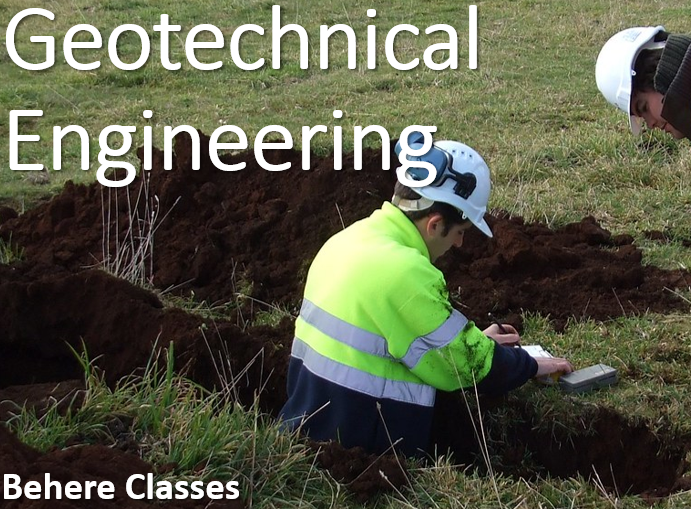
Geotechnical Engineering
Geotechnical engineering, a branch of civil engineering, focuses on the behavior of earth materials and their interaction with structures. It involves designing foundations, slopes, tunnels, and more by assessing soil properties and conducting site investigations. Geotechnical engineers ensure the safety and stability of buildings, bridges, and dams, playing a crucial role in sustainable and resilient infrastructure development.
Duration & Course Level:
1. Geotechnical Engineer: Bachelor's (4 years), often a Master's (1-2 years)
2. Geotechnical Design Engineer: Bachelor's (4 years), often a Master's (1-2 years)
3. Foundation Engineer: Bachelor's (4 years), often a Master's (1-2 years)
4. Soil Engineer: Bachelor's (4 years), often a Master's (1-2 years)
5. Tunnel Engineer: Bachelor's (4 years), often a Master's (1-2 years)
6. Slope Stability Engineer: Bachelor's (4 years), often a Master's (1-2 years)
7. Earthquake Engineer: Bachelor's (4 years), often a Master's (1-2 years)
8. Environmental Geotechnical Engineer: Bachelor's (4 years), often a Master's (1-2 years)
9. Geotechnical Project Manager: Bachelor's (4 years), often an MBA or Master's in Project Management (1-2 years)
10. Geotechnical Consultant: Bachelor's (4 years), often a Master's (1-2 years)
11. Geo-Environmental Engineer: Bachelor's (4 years), often a Master's (1-2 years)
12. Site Investigation Engineer: Bachelor's (4 years)
13. Ground Improvement Specialist: Bachelor's (4 years), often a Master's (1-2 years)
14. Geotechnical Laboratory Technician: Bachelor's (4 years) or Associate's degree (2 years)
15. Geotechnical Researcher: Bachelor's (4 years), often a Master's or PhD (1-4 years)
Salary Package:
1. Geotechnical Engineer: $60, 000 - $90, 000
2. Geotechnical Design Engineer: $65, 000 - $95, 000
3. Foundation Engineer: $65, 000 - $100, 000
4. Soil Engineer: $60, 000 - $85, 000
5. Tunnel Engineer: $70, 000 - $110, 000
6. Slope Stability Engineer: $65, 000 - $100, 000
7. Earthquake Engineer: $70, 000 - $110, 000
8. Environmental Geotechnical Engineer: $60, 000 - $90, 000
9. Geotechnical Project Manager: $80, 000 - $120, 000
10. Geotechnical Consultant: $75, 000 - $120, 000
11. Geo-Environmental Engineer: $65, 000 - $95, 000
12. Site Investigation Engineer: $55, 000 - $85, 000
13. Ground Improvement Specialist: $70, 000 - $100, 000
14. Geotechnical Laboratory Technician: $40, 000 - $60, 000
15. Geotechnical Researcher: $60, 000 - $90, 000
Salaries can vary based on location, experience, and the specific employer.
Job Roles:
1. Geotechnical Engineer
2. Geotechnical Design Engineer
3. Foundation Engineer
4. Soil Engineer
5. Tunnel Engineer
6. Slope Stability Engineer
7. Earthquake Engineer
8. Environmental Geotechnical Engineer
9. Geotechnical Project Manager
10. Geotechnical Consultant
11. Geo-Environmental Engineer
12. Site Investigation Engineer
13. Ground Improvement Specialist
14. Geotechnical Laboratory Technician
15. Geotechnical Researcher
Education & Training Requirements:
1. Geotechnical Engineer: Bachelor's in Civil/Geotechnical Engineering, often a Master's.
2. Geotechnical Design Engineer: Bachelor's in Civil/Geotechnical Engineering, often a Master's.
3. Foundation Engineer: Bachelor's in Civil/Geotechnical Engineering, often a Master's.
4. Soil Engineer: Bachelor's in Civil/Geotechnical Engineering, often a Master's.
5. Tunnel Engineer: Bachelor's in Civil/Geotechnical Engineering, often a Master's.
6. Slope Stability Engineer: Bachelor's in Civil/Geotechnical Engineering, often a Master's.
7. Earthquake Engineer: Bachelor's in Civil/Geotechnical Engineering, often a Master's.
8. Environmental Geotechnical Engineer: Bachelor's in Civil/Environmental Engineering, often a Master's.
9. Geotechnical Project Manager: Bachelor's in Civil/Geotechnical Engineering, often an MBA or Master's in Project Management.
10. Geotechnical Consultant: Bachelor's in Civil/Geotechnical Engineering, often a Master's.
11. Geo-Environmental Engineer: Bachelor's in Civil/Environmental Engineering, often a Master's.
12. Site Investigation Engineer: Bachelor's in Civil/Geotechnical Engineering.
13. Ground Improvement Specialist: Bachelor's in Civil/Geotechnical Engineering, often a Master's.
14. Geotechnical Laboratory Technician: Bachelor's in Civil/Geotechnical Engineering or an Associate's degree.
15. Geotechnical Researcher: Bachelor's in Civil/Geotechnical Engineering, often a Master's or PhD.
Innovation & Creativity:
Innovation and creativity in geotechnical engineering drive advancements in construction and sustainability. New materials like geosynthetics, techniques such as bio-mediated soil improvement, and advanced modeling software enhance soil stability, improve designs, and reduce risks. These innovations contribute to safer, more efficient, and sustainable infrastructure projects.
Behere Classes Best 11th 12th Science Commerce Coaching in Pune NEET JEE CET PCMB, CA Foundation