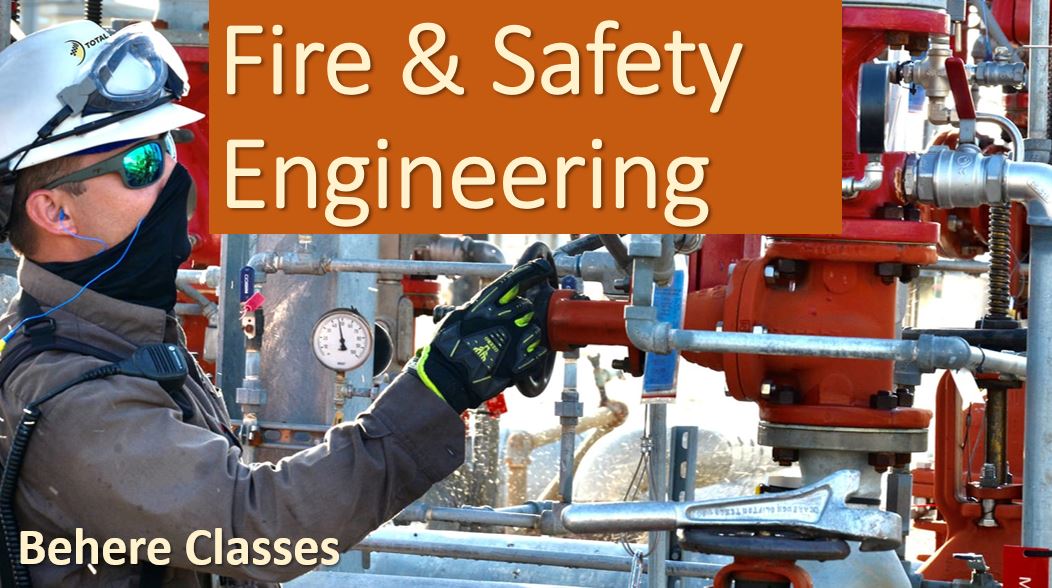
Fire & Safety Engineering
Fire and safety engineering aims to prevent and manage fire hazards, ensuring the safety of people and property. It involves designing fire-resistant materials, detection systems, and evacuation plans. Professionals conduct risk assessments, enforce safety regulations, and investigate fire incidents, crucial for safety and compliance in various industries.
Duration & Course Level:
1. Fire Safety Engineer: Bachelor's, 4 years.
2. Fire Protection Engineer: Bachelor's, 4 years.
3. Fire Inspector: Associate's, 2 years; Bachelor's, 4 years.
4. Safety Officer: Bachelor's, 4 years.
5. Risk Assessment Specialist: Bachelor's, 4 years.
6. Fire and Safety Consultant: Bachelor's, 4 years; often Master's, 1-2 years.
7. Fire Investigator: Bachelor's, 4 years.
8. Health and Safety Manager: Bachelor's, 4 years; often Master's, 1-2 years.
9. Emergency Response Coordinator: Bachelor's, 4 years.
10. Fire Systems Designer: Associate's, 2 years; Bachelor's, 4 years.
11. Hazardous Materials Specialist: Bachelor's, 4 years.
12. Safety Trainer: Bachelor's, 4 years.
13. Code Compliance Officer: Bachelor's, 4 years.
14. Fire Suppression Systems Engineer: Bachelor's, 4 years.
15. Industrial Safety Engineer: Bachelor's, 4 years.
Salary Package:
1. Fire Safety Engineer: $60, 000 - $90, 000
2. Fire Protection Engineer: $65, 000 - $95, 000
3. Fire Inspector: $50, 000 - $75, 000
4. Safety Officer: $55, 000 - $85, 000
5. Risk Assessment Specialist: $60, 000 - $90, 000
6. Fire and Safety Consultant: $70, 000 - $100, 000
7. Fire Investigator: $55, 000 - $80, 000
8. Health and Safety Manager: $70, 000 - $110, 000
9. Emergency Response Coordinator: $60, 000 - $90, 000
10. Fire Systems Designer: $55, 000 - $85, 000
11. Hazardous Materials Specialist: $60, 000 - $90, 000
12. Safety Trainer: $50, 000 - $80, 000
13. Code Compliance Officer: $55, 000 - $85, 000
14. Fire Suppression Systems Engineer: $65, 000 - $95, 000
15. Industrial Safety Engineer: $60, 000 - $90, 000
These figures are approximate and can vary based on factors such as location, experience, and the specific industry.
Job Roles:
1. Fire Safety Engineer
2. Fire Protection Engineer
3. Fire Inspector
4. Safety Officer
5. Risk Assessment Specialist
6. Fire and Safety Consultant
7. Fire Investigator
8. Health and Safety Manager
9. Emergency Response Coordinator
10. Fire Systems Designer
11. Hazardous Materials Specialist
12. Safety Trainer
13. Code Compliance Officer
14. Fire Suppression Systems Engineer
15. Industrial Safety Engineer
Education & Training Requirements:
1. Fire Safety Engineer: Bachelor's in Fire Protection Engineering.
2. Fire Protection Engineer: Bachelor's in Fire Protection or Mechanical Engineering.
3. Fire Inspector: Associate's or Bachelor's in Fire Science; certifications (NFPA, IFSAC).
4. Safety Officer: Bachelor's in Occupational Health and Safety or Safety Engineering.
5. Risk Assessment Specialist: Bachelor's in Risk Management or Safety Engineering.
6. Fire and Safety Consultant: Bachelor's in Fire Protection Engineering, often a Master's.
7. Fire Investigator: Bachelor's in Fire Science or Criminal Justice; certifications (CFI).
8. Health and Safety Manager: Bachelor's in Occupational Health and Safety, often a Master's.
9. Emergency Response Coordinator: Bachelor's in Emergency Management or Fire Science.
10. Fire Systems Designer: Associate's or Bachelor's in Fire Protection Engineering.
11. Hazardous Materials Specialist: Bachelor's in Environmental Science or Chemistry; certifications (HAZWOPER).
12. Safety Trainer: Bachelor's in Occupational Health and Safety; certifications (OSHA).
13. Code Compliance Officer: Bachelor's in Fire Science or Public Administration.
14. Fire Suppression Systems Engineer: Bachelor's in Fire Protection or Mechanical Engineering.
15. Industrial Safety Engineer: Bachelor's in Industrial or Safety Engineering.
Innovation & Creativity:
Innovation in fire and safety engineering involves advanced solutions like smart sensors, AI, and IoT for better fire detection and suppression. Engineers develop fire-resistant materials and use VR for training emergency responders. These innovations enhance real-time monitoring, early warnings, and efficient responses, ensuring a safer environment.
Industrial Overview:
Fire and safety engineering ensures safety from fire hazards across industries, emphasizing preventive measures, risk assessment, and emergency response planning. It spans sectors such as construction, manufacturing, and healthcare, focusing on regulatory compliance and leveraging technology for enhanced safety protocols.
Industry/Field Future:
The future of fire and safety engineering is focused on integrating advanced technologies like smart detection systems and AI for enhanced safety measures. With increasing regulations and demand for sustainable practices, engineers are pivotal in ensuring safer environments through innovation and effective risk management strategies.