Article 1:
Satellite Engineering
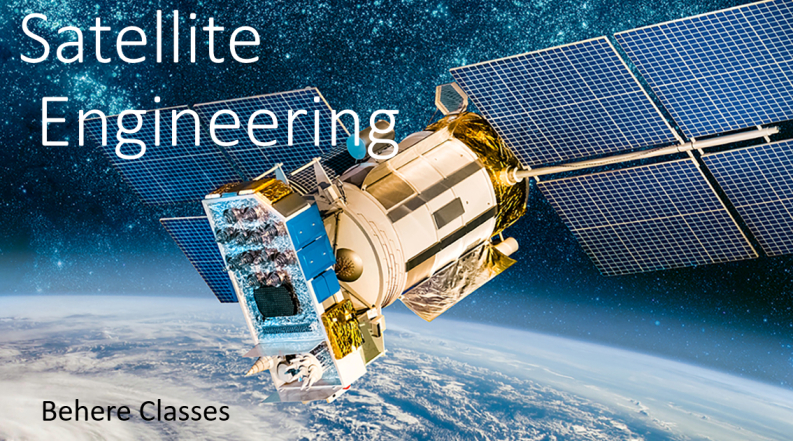
Satellite engineering focuses on designing and developing satellites for communication, navigation, weather monitoring, and research. It combines aerospace, electronics, and telecommunications to create systems for space. As satellite technology advances, this field is key in improving global communication, space exploration, and earth observation.
Duration & Course Level:
1. Bachelor's Degree (B.Sc. or B.Eng. in Aerospace Engineering, Electrical Engineering, or Mechanical Engineering): 4 years
2. Master's Degree (M.Sc. or M.Eng. in Satellite Engineering, Aerospace Engineering, or related fields): 1-2 years
3. PhD in Satellite Engineering, Aerospace Engineering, or related fields: 3-5 years
Job Roles:
1. Satellite Systems Engineer
2. Satellite Communication Engineer
3. Satellite Design Engineer
4. Satellite Operations Engineer
5. Satellite Payload Engineer
6. Aerospace Engineer (Satellite Focus)
7. Satellite Integration Engineer
8. Satellite Test Engineer
9. Satellite Navigation Engineer
10. Satellite Propulsion Engineer
11. Mission Control Specialist
12. Satellite Ground Systems Engineer
13. Satellite Thermal Engineer
14. Attitude Control Engineer
15. Telemetry and Command Engineer
16. Satellite Network Engineer
17. Power Systems Engineer
18. Satellite Software Engineer
19. Satellite Structural Engineer
20. Satellite Project Manager
Salary Package:
1. Satellite Systems Engineer: $80, 000 - $150, 000 per year
2. Satellite Communication Engineer: $75, 000 - $140, 000 per year
3. Satellite Design Engineer: $85, 000 - $155, 000 per year
4. Satellite Operations Engineer: $70, 000 - $130, 000 per year
5. Satellite Payload Engineer: $85, 000 - $160, 000 per year
6. Aerospace Engineer (Satellite Focus): $80, 000 - $150, 000 per year
7. Satellite Integration Engineer: $75, 000 - $145, 000 per year
8. Satellite Test Engineer: $70, 000 - $135, 000 per year
9. Satellite Navigation Engineer: $75, 000 - $140, 000 per year
10. Satellite Propulsion Engineer: $80, 000 - $150, 000 per year
11. Mission Control Specialist: $70, 000 - $125, 000 per year
12. Satellite Ground Systems Engineer: $70, 000 - $130, 000 per year
13. Satellite Thermal Engineer: $80, 000 - $145, 000 per year
14. Attitude Control Engineer: $75, 000 - $140, 000 per year
15. Telemetry and Command Engineer: $70, 000 - $130, 000 per year
16. Satellite Network Engineer: $75, 000 - $140, 000 per year
17. Power Systems Engineer: $80, 000 - $150, 000 per year
18. Satellite Software Engineer: $75, 000 - $140, 000 per year
19. Satellite Structural Engineer: $80, 000 - $145, 000 per year
20. Satellite Project Manager: $90, 000 - $170, 000 per year
Education & Training Requirements:
1. Bachelor's Degree: In Aerospace Engineering, Electrical Engineering, Mechanical Engineering, or related fields.
2. Core Courses: Mathematics, physics, and electronic systems.
3. Satellite Systems Courses: Focus on satellite design, communication systems, and orbital mechanics.
4. Space Mission Planning: Understanding mission objectives and satellite deployment strategies.
5. Propulsion Systems Training: Knowledge of satellite propulsion and thruster technologies.
6. Internships or Co-op Programs: Practical experience in satellite development and testing.
7. Master's Degree (optional): Advanced study in Satellite Engineering, Aerospace Engineering, or related fields.
8. Hands-on Training: Experience in satellite assembly, integration, and testing.
9. Certifications: Examples include Satellite Systems Certification or Systems Engineering Certification.
10. Project Management Skills: Training in managing satellite development projects.
11. Technical Software Proficiency: Skills in satellite design software such as MATLAB, STK, or CAD tools.
12. Communication Systems Courses: Understanding satellite communication protocols and technologies.
13. Orbital Mechanics Training: Study of satellite trajectories, orbital dynamics, and space environments.
14. Ground Station Operations: Knowledge of ground station equipment and satellite tracking.
15. Space Systems Engineering Courses: Focus on integrated space systems and satellite subsystems.
16. Space Law and Policy: Understanding of regulations and policies governing satellite operations.
17. Advanced Propulsion Techniques: Training in innovative propulsion technologies for space missions.
18. Environmental Impact Assessment: Understanding the environmental effects of satellite launches and operations.
19. Satellite Integration and Testing: Techniques for assembling and validating satellite systems.
20. Communication Skills: Training in technical report writing, presentations, and stakeholder communication.
Innovation & Creativity:
Satellite engineering drives innovation with advancements in satellite design, including miniaturization and high-resolution imaging.
Behere Classes of Science & Commerce for 11th, 12th, PCMB, , CET, NEET, JEE, CAF
Behere Classes Best 11th 12th Science Commerce Coaching in Pune NEET JEE CET PCMB, CA Foundation