Article 1:
Railway Engineering
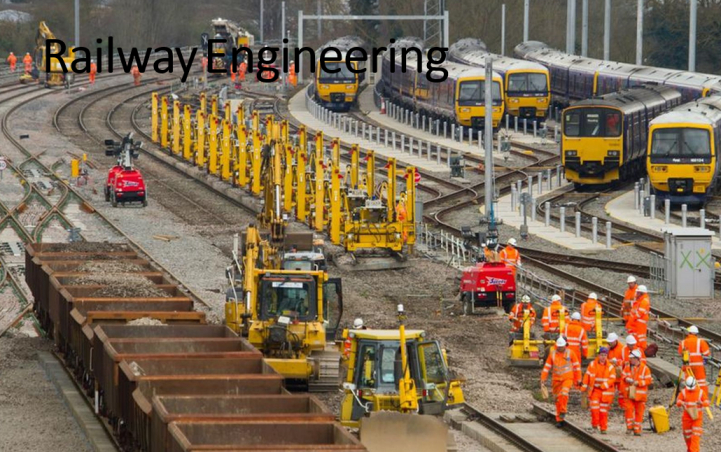
Railway engineering focuses on the design, construction, and maintenance of railway systems. It covers track design, signaling, train control, and station construction, ensuring safe and efficient rail networks. With a focus on sustainable transportation, the field is key in developing high-speed rail, electrification, and advanced signaling systems that reduce travel times and carbon emissions. As new technologies emerge, railway engineering remains vital to modern infrastructure.
Duration & Course Level:
1. Bachelor's Degree in Railway Engineering: 3-4 years (undergraduate level)
2. Master's Degree in Railway Engineering: 1-2 years (graduate level)
3. Ph.D. in Railway Engineering: 3-5 years (doctoral level)
Salary Package:
1. Railway Engineer: $65, 000 - $120, 000
2. Track Design Engineer: $70, 000 - $130, 000
3. Signaling Engineer: $70, 000 - $130, 000
4. Train Control Systems Engineer: $75, 000 - $135, 000
5. Railway Operations Manager: $80, 000 - $140, 000
6. Rolling Stock Engineer: $65, 000 - $120, 000
7. Rail Infrastructure Engineer: $70, 000 - $125, 000
8. Railway Project Manager: $80, 000 - $150, 000
9. Rail Safety Engineer: $70, 000 - $130, 000
10. Track Maintenance Engineer: $60, 000 - $110, 000
11. Rail Systems Engineer: $75, 000 - $135, 000
12. Transportation Planner: $65, 000 - $115, 000
13. Electrification Engineer: $70, 000 - $130, 000
14. Railway Construction Engineer: $70, 000 - $125, 000
15. Railway Consultant: $80, 000 - $150, 000
16. High-Speed Rail Engineer: $80, 000 - $140, 000
17. Urban Rail Transit Engineer: $70, 000 - $130, 000
18. Bridge and Tunnel Engineer: $75, 000 - $135, 000
19. Railway Asset Manager: $80, 000 - $140, 000
20. Railway Researcher/Academic: $65, 000 - $120, 000 (varies based on institution and experience)
Job Roles:
1. Railway Engineer
2. Track Design Engineer
3. Signaling Engineer
4. Train Control Systems Engineer
5. Railway Operations Manager
6. Rolling Stock Engineer
7. Rail Infrastructure Engineer
8. Railway Project Manager
9. Rail Safety Engineer
10. Track Maintenance Engineer
11. Rail Systems Engineer
12. Transportation Planner
13. Electrification Engineer
14. Railway Construction Engineer
15. Railway Consultant
16. High-Speed Rail Engineer
17. Urban Rail Transit Engineer
18. Bridge and Tunnel Engineer
19. Railway Asset Manager
20. Railway Researcher/Academic
Education & Training Requirements:
1. Bachelor's Degree in Engineering: Fundamental education in civil, mechanical, or electrical engineering.
2. Core Courses in Railway Systems: Courses covering track design, signaling, and train control systems.
3. Mathematics Proficiency: Courses in calculus, statistics, and linear algebra.
4. Physics and Mechanics Courses: Fundamental sciences supporting engineering principles.
5. Transportation Engineering Coursework: Specialized classes focusing on transportation systems and design.
6. Project Management Principles: Learning project planning, budgeting, and execution.
7. Safety Standards Training: Understanding railway safety regulations and risk assessment.
8. Fieldwork Experience: Hands-on training through site visits and inspections.
9. Internships or Co-op Programs: Practical experience in a professional railway engineering setting during undergraduate studies.
10. Master's Degree (optional): Advanced study for specialization in areas like high-speed rail or railway operations.
11. Research Project or Thesis: Completion of a research project during a master’s program.
12. Professional Engineer (PE) License: Certification for practicing engineers, requiring examination and experience.
13. Fundamentals of Engineering (FE) Exam: Initial certification exam for engineers.
14. Continuing Education Courses: Ongoing training to keep skills current and learn new railway technologies.
15. Technical Software Proficiency: Skills in using engineering software tools (e.g., CAD, simulation software).
16. Construction Techniques Training: Experience in railway-specific construction methods and practices.
17. Communication Skills Development: Training in writing reports and presenting engineering findings.
18. Analytical Skills Enhancement: Development of problem-solving and analytical thinking abilities.
19. Teamwork and Collaboration Training: Experience working in multidisciplinary teams on railway projects.
20. Specialized Training in Signaling Systems: Understanding of modern signaling technologies and safety systems.
Innovation & Creativity:
Innovation in railway engineering enhances safety, efficiency, and sustainability. Advances include high-speed rail, renewable energy integration, smart technologies for automated systems, and modular infrastructure designs. Creative use of lightweight materials improves energy efficiency and performance, driving the future of rail transport.
Behere Classes of Science & Commerce for 11th, 12th, PCMB, , CET, NEET, JEE, CAF
Behere Classes Best 11th 12th Science Commerce Coaching in Pune NEET JEE CET PCMB, CA Foundation