Article 1:
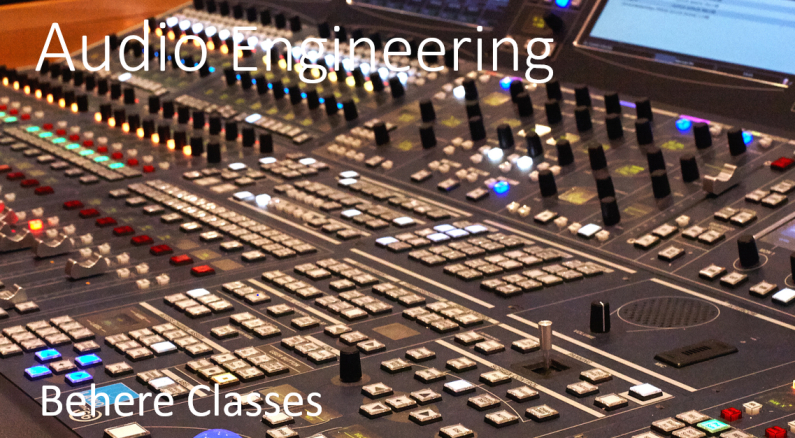
Audio Engineering
Audio engineering focuses on recording, mixing, and producing sound for music, film, and live events. It involves using technology like microphones and digital audio workstations to ensure high-quality sound. Audio engineers work in studios and venues, requiring knowledge of acoustics, signal flow, and audio software. The field demands a keen ear for detail and creativity, with continuous learning needed to keep up with evolving technology.
Duration & Course Level:
1. Certificate/Diploma in Audio Engineering: 6 months to 1 year (entry-level)
2. Associate Degree in Audio Engineering: 2 years (undergraduate level)
3. Bachelor's Degree in Audio Engineering: 3-4 years (undergraduate level)
4. Master's Degree in Audio Engineering: 1-2 years (graduate level)
Education & Training Requirements:
1. Bachelor’s Degree in Audio Engineering: Comprehensive training in sound theory and audio production.
2. Associate Degree: Basic skills in recording and mixing.
3. Certificate/Diploma: Focused, short-term courses on specific audio skills.
4. Music Theory: Understanding music structure, vital for music production roles.
5. DAW Proficiency: Training in software like Pro Tools and Logic Pro.
6. Internships: Practical studio or live event experience.
7. Live Sound Courses: Essential for live sound engineers.
8. Mixing and Mastering Workshops: Specialized training in final track refinement.
9. Acoustics: Knowledge of sound behavior, important for acoustic consultants.
10. Field Recording Techniques: Training for capturing outdoor sound.
11. Signal Processing: Understanding audio signal flow and effects.
12. Equipment Maintenance: Basic electronics and equipment care.
13. Post-Production: Audio editing for film, TV, and games.
14. Communication Skills: Working effectively with artists and teams.
15. Sound Design Courses: Creative audio design training.
16. Master’s Degree (Optional): Advanced specialization.
17. Professional Certification: Recognized certifications like AVID Pro Tools.
18. Continuous Learning: Staying updated on new tech and techniques.
19. Portfolio Development: Showcasing work to secure roles.
20. Collaboration Skills: Experience working in teams on projects.
Job Roles:
1. Sound Engineer
2. Recording Engineer
3. Mixing Engineer
4. Mastering Engineer
5. Live Sound Engineer
6. Broadcast Engineer
7. Audio Technician
8. Music Producer
9. Sound Designer
10. Dialogue Editor
11. Foley Artist
12. Audio Post-Production Engineer
13. Studio Manager
14. Acoustic Consultant
15. Field Recording Engineer
16. Audio Systems Engineer
17. Sound Editor
18. Audio Visual (AV) Engineer
19. Game Audio Engineer
20. Podcast Producer
Salary Package:
1. Sound Engineer: $40, 000 - $70, 000 per year
2. Recording Engineer: $35, 000 - $65, 000 per year
3. Mixing Engineer: $50, 000 - $80, 000 per year
4. Mastering Engineer: $40, 000 - $75, 000 per year
5. Live Sound Engineer: $35, 000 - $70, 000 per year
6. Broadcast Engineer: $45, 000 - $85, 000 per year
7. Audio Technician: $30, 000 - $55, 000 per year
8. Music Producer: $50, 000 - $100, 000 per year (varies widely)
9. Sound Designer: $45, 000 - $80, 000 per year
10. Dialogue Editor: $35, 000 - $65, 000 per year
11. Foley Artist: $40, 000 - $75, 000 per year
12. Audio Post-Production Engineer: $50, 000 - $85, 000 per year
13. Studio Manager: $50, 000 - $90, 000 per year
14. Acoustic Consultant: $60, 000 - $95, 000 per year
15. Field Recording Engineer: $40, 000 - $70, 000 per year
16. Audio Systems Engineer: $50, 000 - $85, 000 per year
17. Sound Editor: $40, 000 - $70, 000 per year
18. Audio Visual (AV) Engineer: $45, 000 - $75, 000 per year
19. Game Audio Engineer: $50, 000 - $90, 000 per year
20. Podcast Producer: $40, 000 - $70, 000 per year
Innovation & Creativity:
Innovation and creativity in audio engineering are transforming sound production across industries. Advances in digital audio technology and tools like DAWs enable engineers to create intricate sound designs and immersive experiences. By blending technical skills with artistic vision, audio engineers continually push boundaries to deliver unique, high-quality audio that captivates audiences.
Industrial Overview:
The audio engineering industry is a dynamic field spanning music, film, broadcasting, live events, and gaming. With the rise of digital media, demand for skilled engineers has grown, driving innovation in sound design and immersive audio. Relying on advanced technology, the industry continues to evolve, offering diverse opportunities in studios, live venues, and post-production.
Article 2:
Exploring Specializations in Audio Engineering
Sectors including Audio Engineering:
1. Music Production
2. Film and Television Sound
3. Broadcasting
4. Live Sound Engineering
5. Gaming and Interactive Media
Behere Classes of Science & Commerce for 11th, 12th, PCMB, , CET, NEET, JEE, CAF
Behere Classes Best 11th 12th Science Commerce Coaching in Pune NEET JEE CET PCMB, CA Foundation