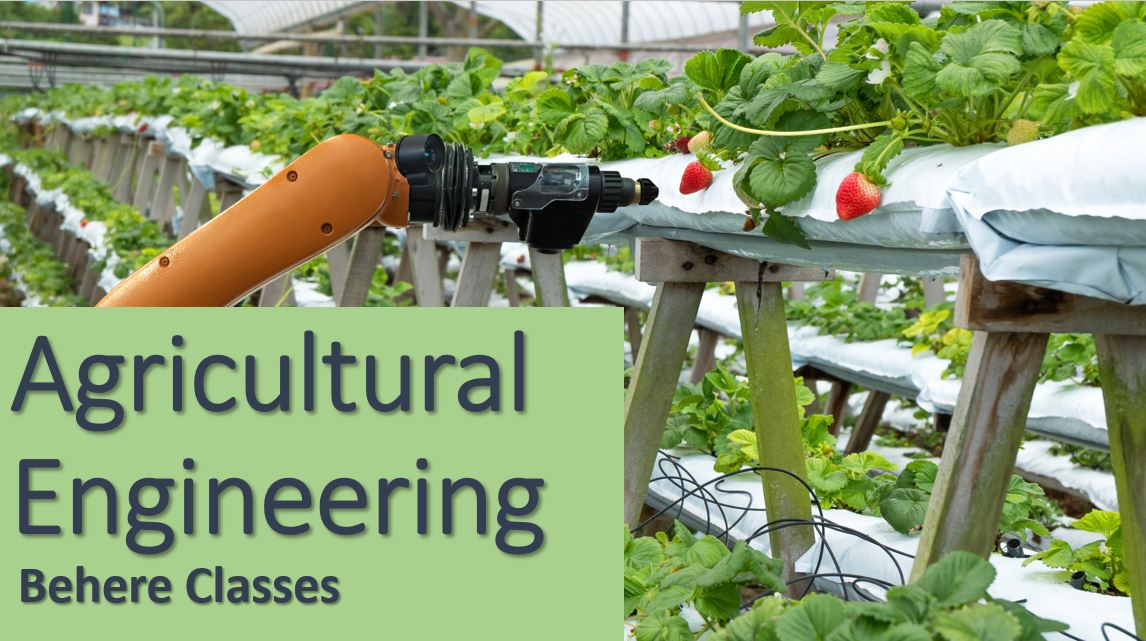
Agricultural Engineering
Agricultural engineering integrates principles from various disciplines like mechanical, civil, electrical, and chemical engineering to address challenges in agriculture and food production. This field applies engineering concepts to design and improve agricultural machinery, irrigation systems, crop processing facilities, and sustainable farming practices. Agricultural engineers play a crucial role in enhancing productivity, efficiency, and environmental sustainability within the agricultural sector, contributing to global food security and resource conservation.
Duration & Course Level:
1. Bachelor's Degree:
- Duration: Typically 4 to 5 years.
- Course Level: Undergraduate.
2. Master's Degree:
- Duration: Usually 1 to 2 years beyond the bachelor's degree.
- Course Level: Graduate.
3. Doctoral Degree (Ph.D.):
- Duration: Generally 3 to 5 years beyond the bachelor's degree.
- Course Level: Graduate.
Salary Package:
1. Agricultural Engineer: $64, 000 - $120, 000 per year
2. Farm Equipment Designer: $50, 000 - $100, 000 per year
3. Irrigation Engineer: $60, 000 - $110, 000 per year
4. Soil and Water Conservation Engineer: $55, 000 - $105, 000 per year
5. Agricultural Machinery Technician: $40, 000 - $80, 000 per year
6. Crop Production Specialist: $50, 000 - $90, 000 per year
7. Food Processing Engineer: $65, 000 - $120, 000 per year
8. Environmental Compliance Specialist: $55, 000 - $100, 000 per year
9. Precision Agriculture Specialist: $60, 000 - $110, 000 per year
10. Agricultural Research Scientist: $70, 000 - $130, 000 per year
These figures can vary based on factors such as experience, location, and the specific industry sector.
Job Roles:
1. Agricultural Engineer
2. Farm Equipment Designer
3. Irrigation Engineer
4. Soil and Water Conservation Engineer
5. Agricultural Machinery Technician
6. Crop Production Specialist
7. Food Processing Engineer
8. Environmental Compliance Specialist
9. Precision Agriculture Specialist
10. Agricultural Research Scientist
Education & Training Requirements:
1. Agricultural Engineer: Bachelor's degree in agricultural engineering.
2. Farm Equipment Designer: Bachelor's degree in mechanical or agricultural engineering.
3. Irrigation Engineer: Bachelor's degree in agricultural or civil engineering.
4. Soil and Water Conservation Engineer: Bachelor's degree in agricultural or environmental engineering.
5. Agricultural Machinery Technician: Associate degree or vocational training.
6. Crop Production Specialist: Bachelor's degree in agronomy or crop science.
7. Food Processing Engineer: Bachelor's degree in food or agricultural engineering.
8. Environmental Compliance Specialist: Bachelor's degree in environmental science or engineering.
9. Precision Agriculture Specialist: Bachelor's degree in agricultural engineering or agronomy.
10. Agricultural Research Scientist: Master's or Ph.D. in agricultural engineering or related field.
Innovation & Creativity:
In agricultural engineering, innovation drives new technologies and methods for sustainable and efficient farming, such as precision agriculture and autonomous machinery, enhancing productivity and addressing challenges like climate change and food security.
Industrial Overview:
Agricultural engineering transforms farming with innovative technology and machinery. Engineers optimize production, enhance crop yields, and minimize environmental impact. From irrigation systems to automated harvesting, they drive efficiency and sustainability in modern agriculture.
Industry/Field Future:
In agricultural engineering, the future is bright with innovations in precision farming and sustainability. Engineers are pioneering advancements in robotics and AI, improving crop management and resource efficiency. With a focus on environmental conservation, they're developing technologies for soil and water management. As food demand grows, agricultural engineers play a crucial role in ensuring sustainable food production.